
Omid specialized and sub specialized hospital

Discectomy operation and recovery
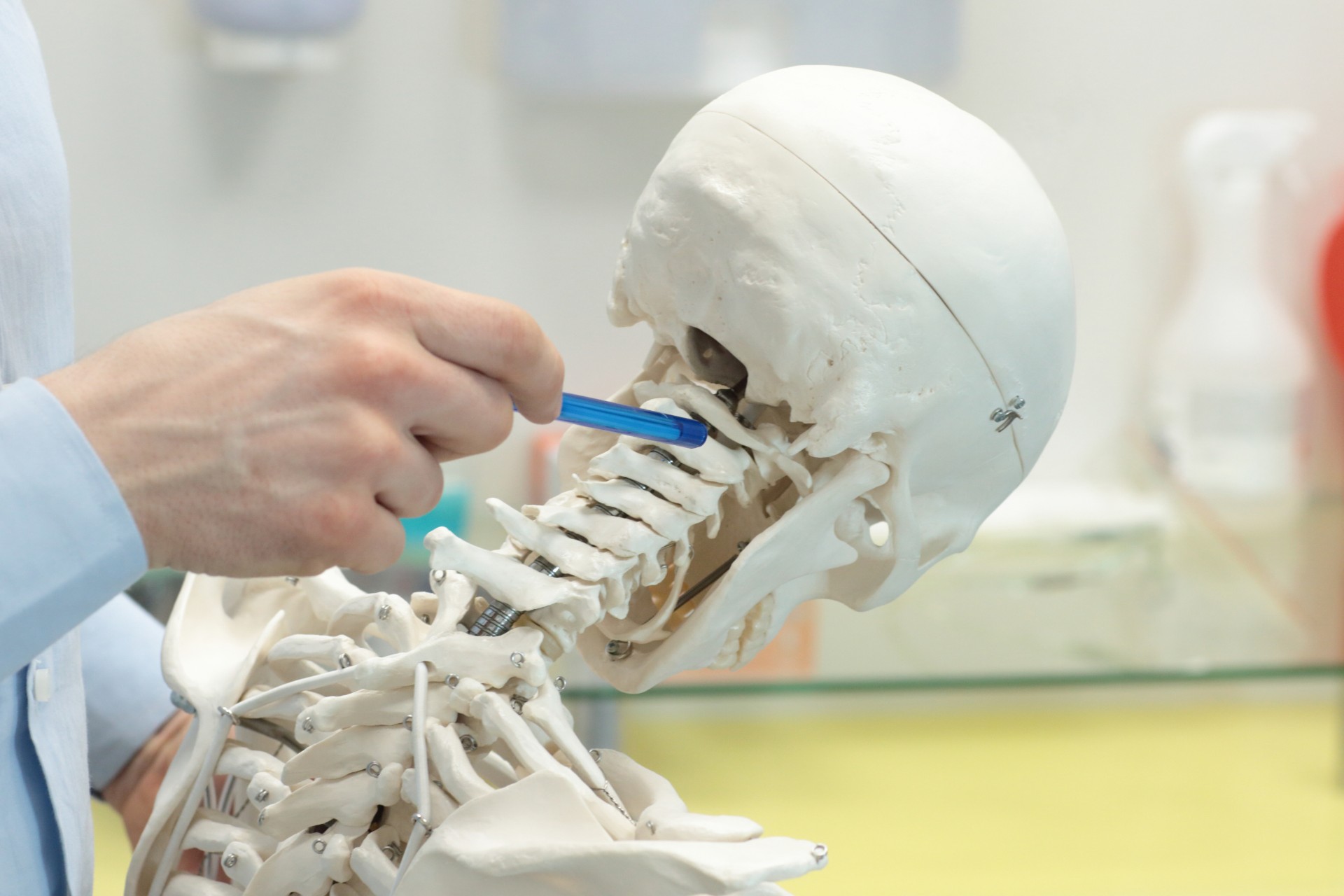
Are you suffering from herniated disc pain? A discectomy operation can be an effective treatment option to relieve your pain and improve your quality of life. In this article, we will discuss the different treatment options available for discectomy surgery, including traditional open discectomy and minimally invasive discectomy. We will also explore the benefits and potential risks of each procedure, helping you make an informed decision about your treatment. Read on to learn more about the effective treatment options for a discectomy operation and find the best solution for your specific needs.
Preoperative Preparation
Before undergoing a discectomy operation, it is crucial to take certain steps and make necessary preparations. Here are some important aspects to consider:
1. Diagnostic Tests
Prior to the surgery, your healthcare provider may require you to undergo several diagnostic tests to assess your condition accurately. These tests may include:
2. Consultations with Healthcare Professionals
It is essential to consult with various healthcare professionals before proceeding with a discectomy operation. These professionals may include:
3. Lifestyle Adjustments
Prior to the discectomy operation, you may need to make certain lifestyle adjustments to ensure a smooth recovery. These adjustments may include:
By following these preoperative preparations, you can ensure that you are fully prepared for the discectomy operation and increase the chances of a successful outcome.
Surgical Procedure
Microdiscectomy
Microdiscectomy is a minimally invasive surgical technique that involves removing the herniated or damaged portion of a spinal disc. This procedure is performed using a microscope or magnifying lenses to enhance visualization and precision.
The benefits of microdiscectomy include:
However, there are also some risks associated with microdiscectomy, including:
It is essential to discuss the potential risks and benefits with your surgeon before deciding on microdiscectomy as a treatment option.
Endoscopic Discectomy
Endoscopic discectomy is another minimally invasive technique used to remove the herniated disc material. This procedure involves the use of an endoscope, which is a thin, flexible tube with a camera and surgical instruments attached to it.
The advantages of endoscopic discectomy include:
However, there are potential risks associated with endoscopic discectomy, such as:
Your surgeon will evaluate your specific condition and discuss the suitability of endoscopic discectomy in your case.
It is crucial to consult with a qualified healthcare professional to determine the most appropriate surgical technique for your individual needs. They will consider various factors such as the location and severity of the disc herniation, your overall health, and previous treatment history.
Postoperative Care
After undergoing a discectomy operation, the postoperative care phase plays a crucial role in ensuring a successful recovery. It is essential to follow certain precautions and guidelines to promote healing and prevent complications.
Here are some key aspects of postoperative care:
By adhering to these postoperative care guidelines, you can optimize your recovery process and increase the chances of a successful outcome. Remember to consult your healthcare provider for personalized advice and recommendations based on your specific condition.
Potential Complications
A discectomy surgery, like any other surgical procedure, carries certain risks and potential complications. It is important to have a realistic understanding of these potential complications before undergoing the operation. However, it is essential to note that the chances of experiencing complications are generally low.
Infection
Although rare, there is a small risk of developing an infection after a discectomy surgery. This can occur at the incision site or deeper within the body. Signs of infection may include increased pain, redness, swelling, or drainage from the incision. If you experience any of these symptoms, it is crucial to contact your healthcare provider immediately.
Nerve Damage
In rare cases, nerve damage can occur during the discectomy surgery. This can lead to symptoms such as numbness, weakness, or changes in sensation. The risk of nerve damage is minimized by the expertise and precision of the surgeon. It is essential to discuss this potential complication with your surgeon and address any concerns you may have.
Recurrent Herniation
Another potential complication of discectomy surgery is a recurrent herniation. This means that the herniated disc may reoccur after the initial surgery. However, the chances of this happening are relatively low, especially when the surgery is performed by a skilled surgeon. It is important to follow the post-operative instructions provided by your healthcare team to minimize the risk of recurrent herniation.
Success Rates and Prognosis
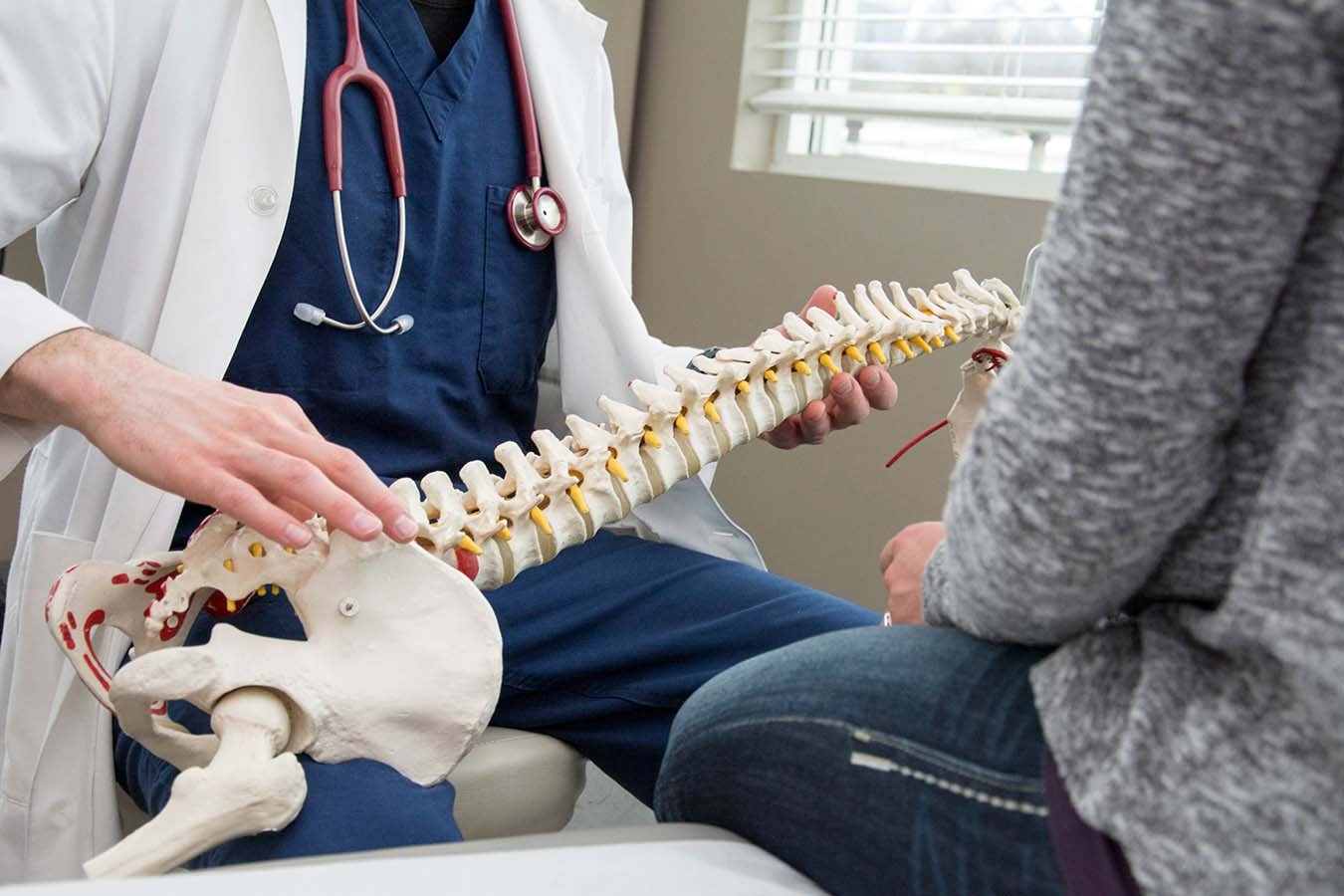
When it comes to the efficacy of discectomy surgery as a treatment option, it is important to consider the success rates in terms of pain relief, functional improvement, and overall patient satisfaction.
Studies have shown that discectomy surgery is highly effective in providing pain relief for patients suffering from herniated discs. In fact, research indicates that around 90% of patients experience significant pain reduction following the procedure.
Furthermore, discectomy surgery has been found to greatly improve patients' functional abilities. Many individuals who undergo this operation report a significant improvement in their ability to perform daily activities, such as walking, sitting, and standing, without experiencing severe pain or discomfort.
Patient satisfaction rates are also noteworthy when it comes to discectomy surgery. Numerous studies have demonstrated a high level of satisfaction among patients who have undergone this procedure. The relief from pain and improvement in functionality often contribute to an overall sense of well-being and improved quality of life.
While discectomy surgery has proven to be highly effective in providing immediate pain relief and functional improvement, it is important to consider the long-term prognosis as well. Although recurrence of disc herniation is possible, it is relatively rare. Research suggests that the likelihood of recurrence ranges from 5% to 15%.
 WhatsApp Chat
Omid Hospital
