
Omid specialized and sub specialized hospital

Anal Fistula: A Guide for Patients

Are you a hospital patient seeking comprehensive information on healing from anal fistula? Look no further! Our guide provides essential insights, advice, and tips to aid your recovery journey. Discover effective treatment options, post-operative care instructions, and lifestyle modifications that can promote faster healing. Empower yourself with knowledge and take control of your healing process. Read on to navigate the path towards anal fistula recovery with confidence.
Understanding Anal Fistula: Causes, Symptoms, and Diagnosis
Anal fistula is a medical condition that affects the anus and rectum, causing discomfort and pain. It occurs when a small tunnel develops between the anal canal and the skin surrounding the anus. This tunnel can become infected, leading to various symptoms and complications.
Causes of Anal Fistula
Anal fistulas are commonly caused by an infection in an anal gland, which can result from an abscess or a blocked gland. Other potential causes include inflammatory bowel disease (such as Crohn's disease), sexually transmitted infections, trauma or injury to the anal area, and certain medical conditions that weaken the immune system.
Symptoms of Anal Fistula
The most common symptoms of anal fistula include persistent pain or discomfort near the anus, swelling and redness around the affected area, discharge of pus or blood, itching, and a constant feeling of moisture. Some individuals may also experience fever, chills, and general fatigue.
Diagnosing Anal Fistula
If you suspect you have an anal fistula, it is crucial to seek medical attention for a proper diagnosis. A healthcare professional will typically perform a physical examination of the affected area, looking for signs of infection or inflammation. They may also order additional tests, such as an anorectal ultrasound or an MRI, to determine the extent and location of the fistula.
During the diagnostic process, your doctor may ask about your medical history, including any previous anal or rectal surgeries, digestive disorders, or conditions that may weaken your immune system. Providing accurate information will help in developing an appropriate treatment plan.
Understanding the causes, symptoms, and diagnostic procedures for anal fistula is essential for patients seeking effective treatment. By gaining knowledge about this condition, individuals can actively participate in their healthcare journey and make informed decisions regarding their treatment options.
Surgical Treatment Options for Anal Fistula: Exploring the Pros and Cons
When it comes to treating anal fistulas, surgical intervention is often necessary. There are several surgical treatment options available, each with its own set of pros and cons. It's important to understand these options and discuss them with your healthcare provider to determine the best approach for your specific case.
1. Fistulotomy
Fistulotomy is a common surgical procedure for treating anal fistulas. During this procedure, the surgeon cuts open the fistula tract, allowing it to heal from the inside out. The advantages of fistulotomy include:
However, there are also some drawbacks to consider:
2. Seton Placement
Seton placement involves inserting a thin piece of surgical thread or drain (seton) through the fistula tract. The seton helps in gradual draining and closure of the fistula. This technique is often used for complex or high fistulas. The advantages of seton placement include:
However, there are also some considerations:
3. Fibrin Glue Injection
Fibrin glue injection is a minimally invasive procedure where a special glue is injected into the fistula tract. The glue seals the tract, promoting healing and closure. The advantages of fibrin glue injection include:
However, there are some limitations:
4. Advancement Flap Surgery
Advancement flap surgery involves using healthy tissue from the rectal wall to cover the internal opening of the fistula. This technique is commonly used for complex or recurrent fistulas. The advantages of advancement flap surgery include:
However, it's important to consider the following:
It's crucial to consult with your healthcare provider to assess the specific characteristics of your anal fistula and determine the most suitable surgical treatment option. They will consider factors such as the complexity of the fistula, its location, and your overall health to guide you towards the best course of action.
Post-Surgery Care: Tips for Promoting Healing and Preventing Complications
Once you have undergone surgery to treat your anal fistula, it is crucial to follow proper post-operative care to ensure optimal healing and prevent complications. Here are some tips to help you with your recovery:
1. Keep the surgical site clean
Proper hygiene is essential to prevent infection and promote healing. Gently clean the area around the surgical site using mild soap and water daily. Avoid using harsh chemicals or strong fragrances that may irritate the wound.
2. Use warm water baths
Taking warm water baths, also known as sitz baths, can help soothe the surgical area and promote healing. Fill a clean basin or bathtub with warm water and sit in it for 10-15 minutes, two to three times a day. Pat the area dry gently afterward.
3. Follow your prescribed medication regimen
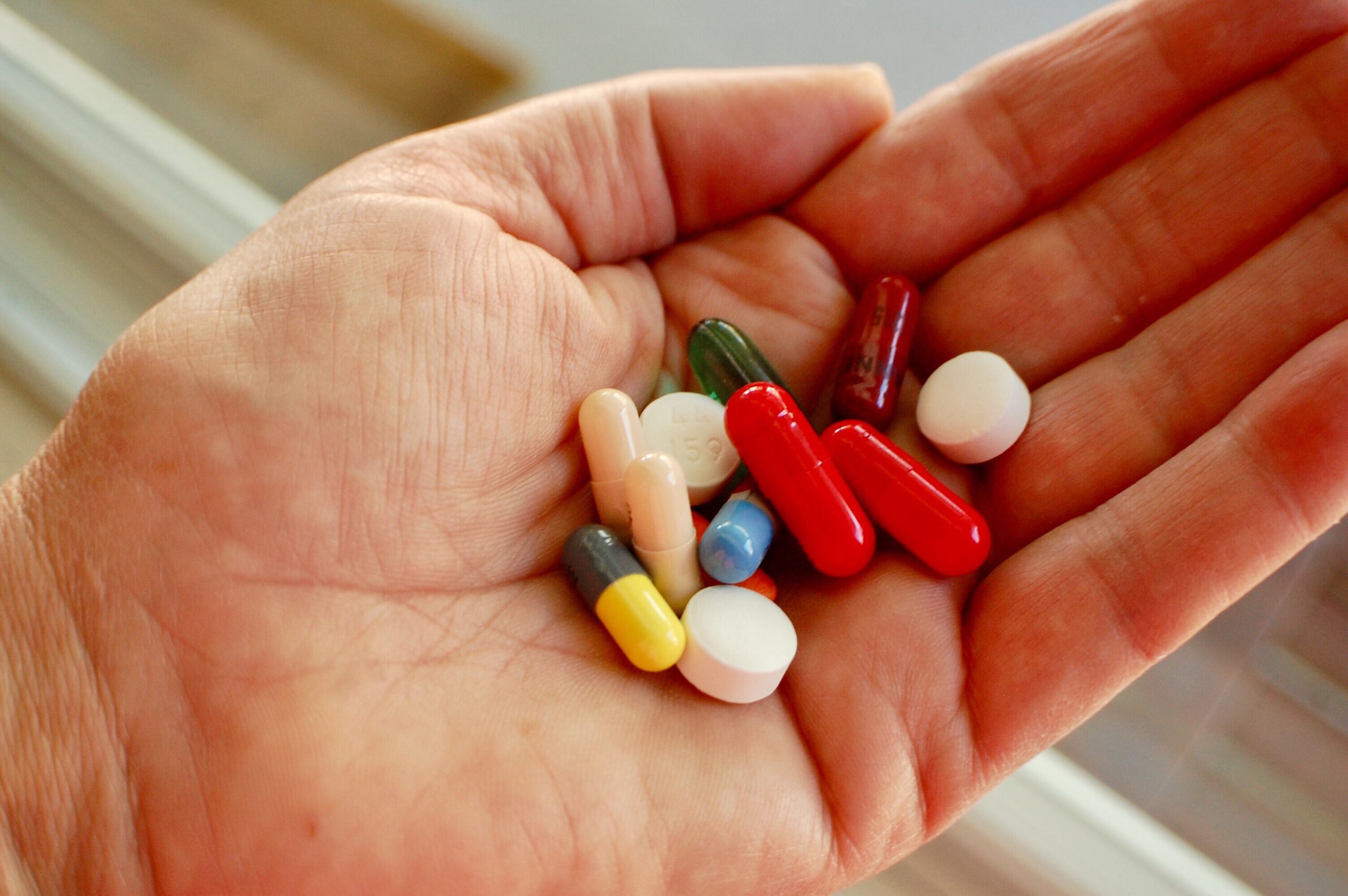
Your doctor will provide you with specific instructions regarding medications to take after surgery. It is crucial to follow these instructions diligently. This may include antibiotics to prevent infection or pain medications to manage discomfort. If you experience any unexpected side effects or have concerns, contact your healthcare provider immediately.
4. Eat a balanced diet

Proper nutrition plays a vital role in the healing process. Ensure you consume a well-balanced diet that includes lean proteins, fruits, vegetables, whole grains, and healthy fats. Adequate hydration is also crucial to support healing. Avoid foods that may cause constipation, such as processed foods or those low in fiber, as straining during bowel movements can hinder the healing process.
5. Avoid heavy lifting and strenuous activities
Engaging in heavy lifting or strenuous activities can put strain on the surgical site and impede healing. Follow your doctor's recommendations regarding activity restrictions, and refrain from activities that may cause unnecessary pressure or stress on the area.
6. Attend all follow-up appointments
Regular follow-up appointments with your healthcare provider are essential to monitor your healing progress and address any concerns or complications promptly. Make sure to attend all scheduled appointments and communicate any changes or issues you may be experiencing.
By following these post-surgery care tips, you can promote healing, minimize complications, and enhance your overall recovery from anal fistula surgery.
Healing from an anal fistula can be a challenging and lengthy process, but with the right medical care and support, patients can achieve a successful recovery. This guide has provided hospital patients with valuable information on the causes, symptoms, diagnosis, and treatment options for anal fistulas. It is crucial for patients to consult with their healthcare providers for an accurate diagnosis and personalized treatment plan. By following medical advice, practicing good hygiene, and making necessary lifestyle changes, patients can optimize their healing process and minimize the risk of complications. Remember, patience and perseverance are key during this journey towards healing and regaining optimal anal health.
 WhatsApp Chat
Omid Hospital
